Uncategorized
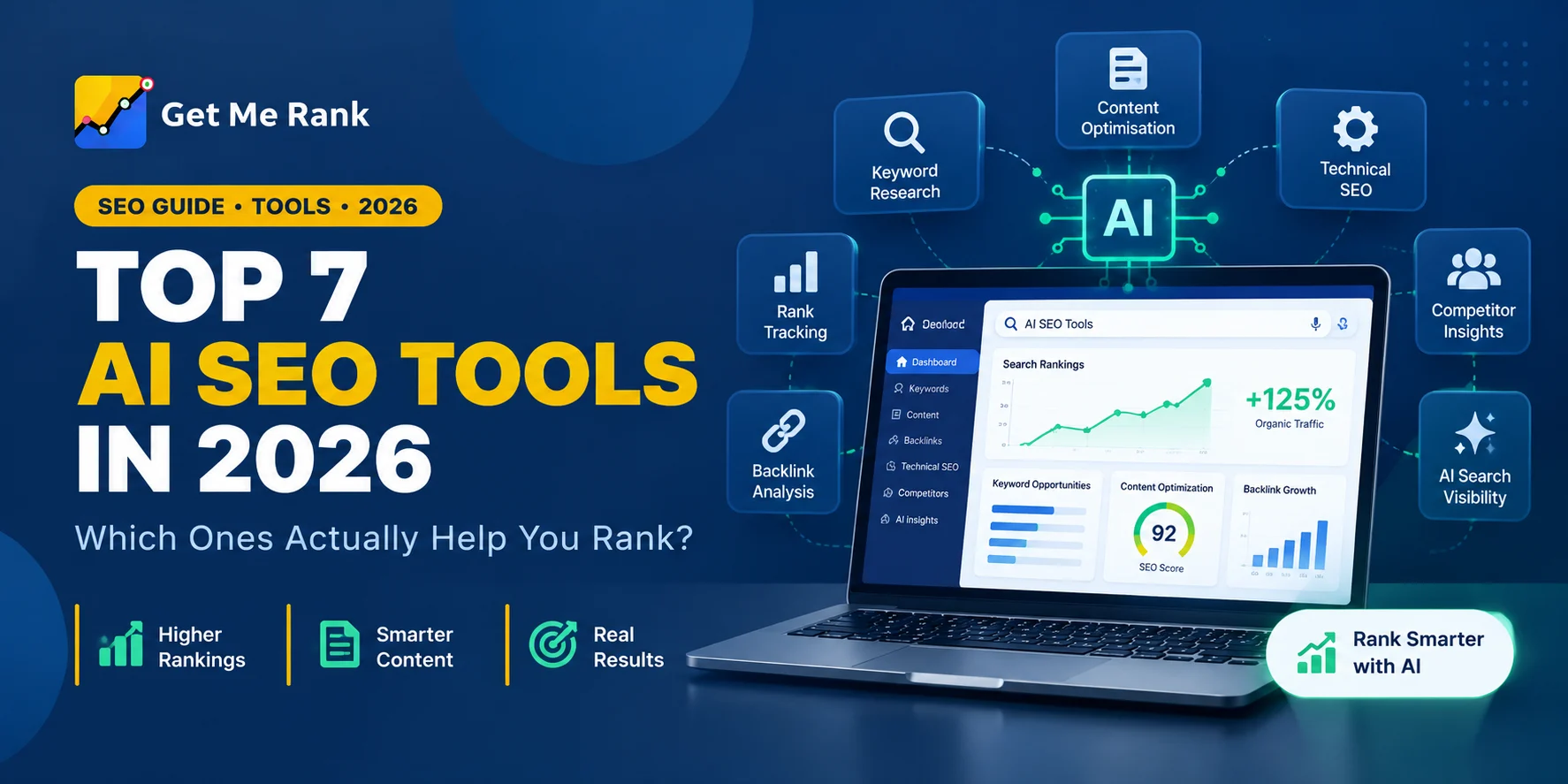
Summary: The top AI SEO tools in 2026 combine machine learning with real search data to speed up keyword research, content optimization, technical audits, and, increasingly, tracking whether your brand shows up in ChatGPT, Perplexity, and Google’s AI Overviews. Surfer SEO, Frase.io, Semrush, Ahrefs, Clearscope, SEO PowerSuite, and SE Ranking each solve a different piece of that puzzle. None of them guarantee rankings on their own — the tool speeds up the work, but the strategy and the content still have to hold up.
Key Takeaways
- The 7 tools below cover four distinct jobs: content optimization (Surfer, Clearscope), content briefs (Frase), all-in-one research and tracking (Semrush, Ahrefs, SE Ranking), and budget-friendly desktop auditing (SEO PowerSuite).
- AI-search visibility tracking — showing up in ChatGPT, Perplexity, and AI Overviews — has moved from a nice-to-have to a core feature across nearly every major tool in this space.
- The best tool depends on your budget, team size, and whether your bottleneck is research, writing, or technical audits.
- Agencies managing multiple clients, including Indian agencies, need tools with white-label reporting and bulk audits.
- Tool output still has to be shaped for how AI search engines summarize and cite content, not just how Google ranks it.
What Is an AI SEO Tool?
An AI SEO tool uses machine learning to analyze search data and give recommendations that used to take hours of manual research. Traditional SEO software pulls data and shows it to you. AI SEO tools go a step further: they interpret that data and suggest what to do with it.
For example, a traditional keyword tool shows you search volume and competition. An AI SEO tool takes that same data and tells you which topics to cover, what questions to answer, and how your content compares to what’s already ranking. Increasingly, it also tells you whether AI platforms are citing you at all.
This distinction matters because not every “AI-powered” tool on the market delivers real value. Some just add a chatbot on top of the same old keyword database. The tools worth using change how you approach content, not just how fast you pull a report.
How Do AI SEO Tools Actually Help With Ranking?
Ranking better isn’t just about using an AI tool – it’s about using it for the right task. Here’s where these tools genuinely move the needle:
Top 7 AI SEO Tools in 2026: Which Ones Actually Help You Rank?
- Content gap analysis. AI tools compare your existing content against top-ranking pages and flag missing subtopics, questions, or entities.
- Technical audits at scale. AI-driven crawlers prioritize which issues to fix first based on potential traffic impact, not just error count.
- Keyword clustering. AI tools group semantically related terms so one well-structured page can rank for dozens of variations – which is exactly why this article avoids stuffing exact-match phrases everywhere.
- Content briefs. Tools like Frase.io generate outlines based on what’s currently ranking, saving writers from starting with a blank page.
- AI-search visibility tracking. This is the fastest-growing category in the space right now. Tools increasingly monitor whether ChatGPT, Perplexity, Gemini, and Google’s AI Mode mention or cite your brand, and show you which competitors are getting cited instead. Tracking is only half the job, though – see our guide on improving brand visibility in AI search for what to actually do with that data.
None of this replaces judgment. A tool can tell you what’s missing from your content; it can’t tell you whether your business actually has something useful to say about it.
The Top 7 AI SEO Tools in 2026
- Surfer SEO — Best for on-page content optimization
- Frase.io — Best for content briefs and research
- Semrush — Best all-in-one platform with AI visibility tracking
- Ahrefs — Best for backlink research and competitive intelligence
- Clearscope — Best for editorial-style content grading
- SEO PowerSuite — Best desktop suite for budget-conscious teams
- SE Ranking — Best for white-label agency reporting
AI SEO Tools Comparison Table
| Tool | Best For | Approx. Pricing (Basic / Standard / Advance) | Standout AI Feature |
|---|---|---|---|
| Surfer SEO | On-page content scoring | Basic: $99/mo · Standard: $182/mo · Advance: $299/mo | Real-time content editor with SERP-based scoring, plus an AI visibility tracker |
| Frase.io | Content briefs and outlines | Basic: $39/mo · Standard: $103/mo · Advance: $239/mo | AI-generated briefs pulled from top-ranking pages |
| Semrush | All-in-one research + AI visibility | Basic: $117/mo · Standard: $165/mo · Advance: $248/mo | AI Visibility Toolkit tracking brand mentions across ChatGPT, Perplexity, and AI Mode |
| Ahrefs | Backlink and keyword research | Basic: $129/mo · Standard: $249/mo · Advance: $449/mo | Brand Radar AI-mention tracking (priced as an add-on) |
| Clearscope | Content relevance grading | Basic: $129/mo · Standard: $399/mo · Advance: Custom | Editorial-style content scoring plus AI citation tracking (ChatGPT and Gemini) |
| SEO PowerSuite | Desktop all-in-one suite | Basic: Free · Standard: $29/mo ($349/yr) · Advance: $50/mo ($599/yr) | No built-in AI tracking — strongest for bulk audits at a flat cost |
| SE Ranking | White-label agency reporting | Basic: $103/mo · Standard: $223/mo · Advance: Custom | AI prompt tracking bundled with client-branded reports |
Pricing changes frequently and varies by billing cycle and tier — always confirm current rates on each tool’s own pricing page before budgeting.
1. Surfer SEO – Best for On-Page Content Optimization
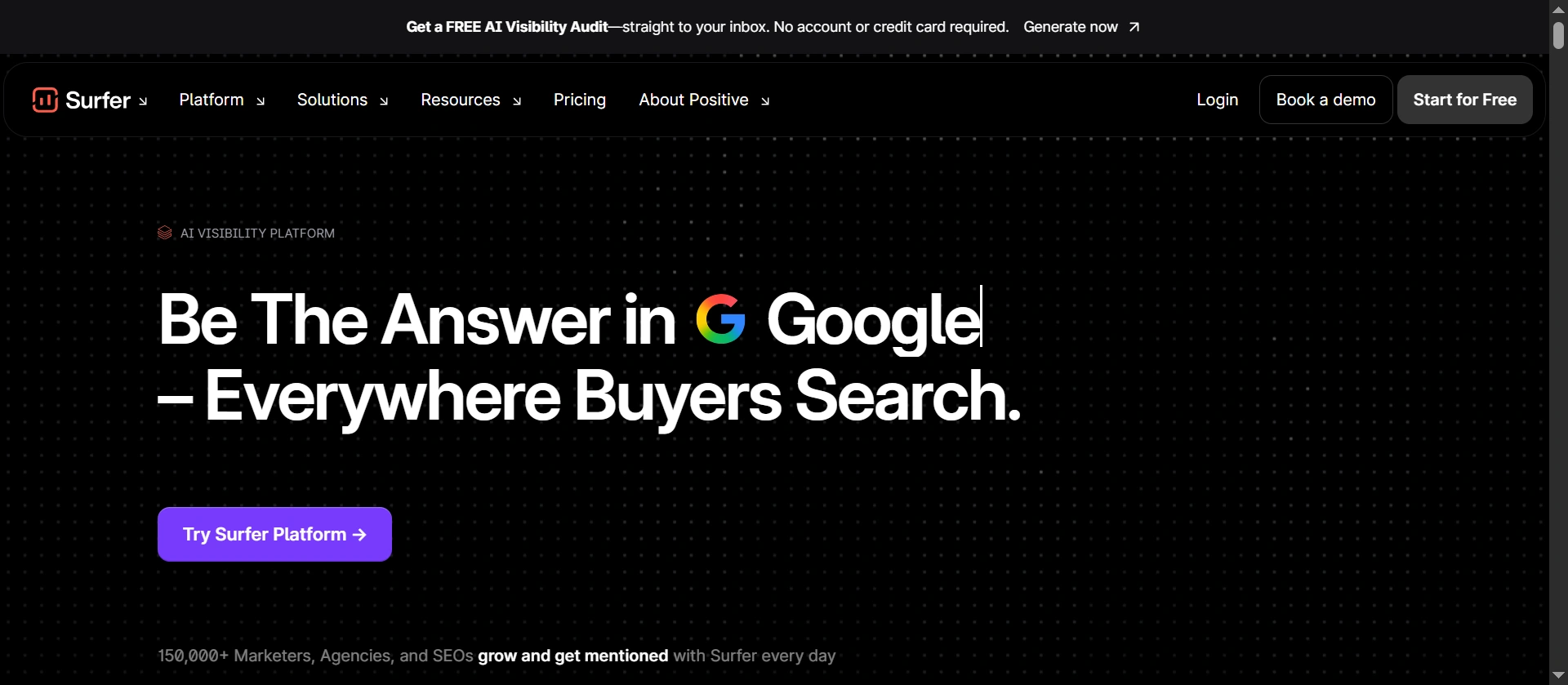
Best for: You’re writing an article and want to know, in real time, whether it’s structured the way pages that already rank are structured – without guessing at word count or heading order.
How it works: You paste a target keyword into Surfer’s Content Editor, and it pulls the top-ranking pages for that term, then scores your draft against them as you type – flagging missing subheadings, related terms, and rough word-count targets. It also runs an AI visibility tracker that checks whether ChatGPT, Perplexity, Gemini, and Google’s AI Mode are mentioning your brand.
Where it helps: It cuts the SERP-analysis step – which used to take 30–45 minutes of manual review — down to a few minutes inside the editor, so writers get feedback before they publish instead of after.
- Watch out for: the interface has a lot of competing tabs and scores, which can overwhelm new users; keyword discovery inside Surfer is thin, so pair it with a dedicated research tool.
- Starting price: roughly $49–$99/month, with AI tracking sometimes sold separately.
Pros
| Cons
|
2. Frase.io – Best for Content Briefs and Research
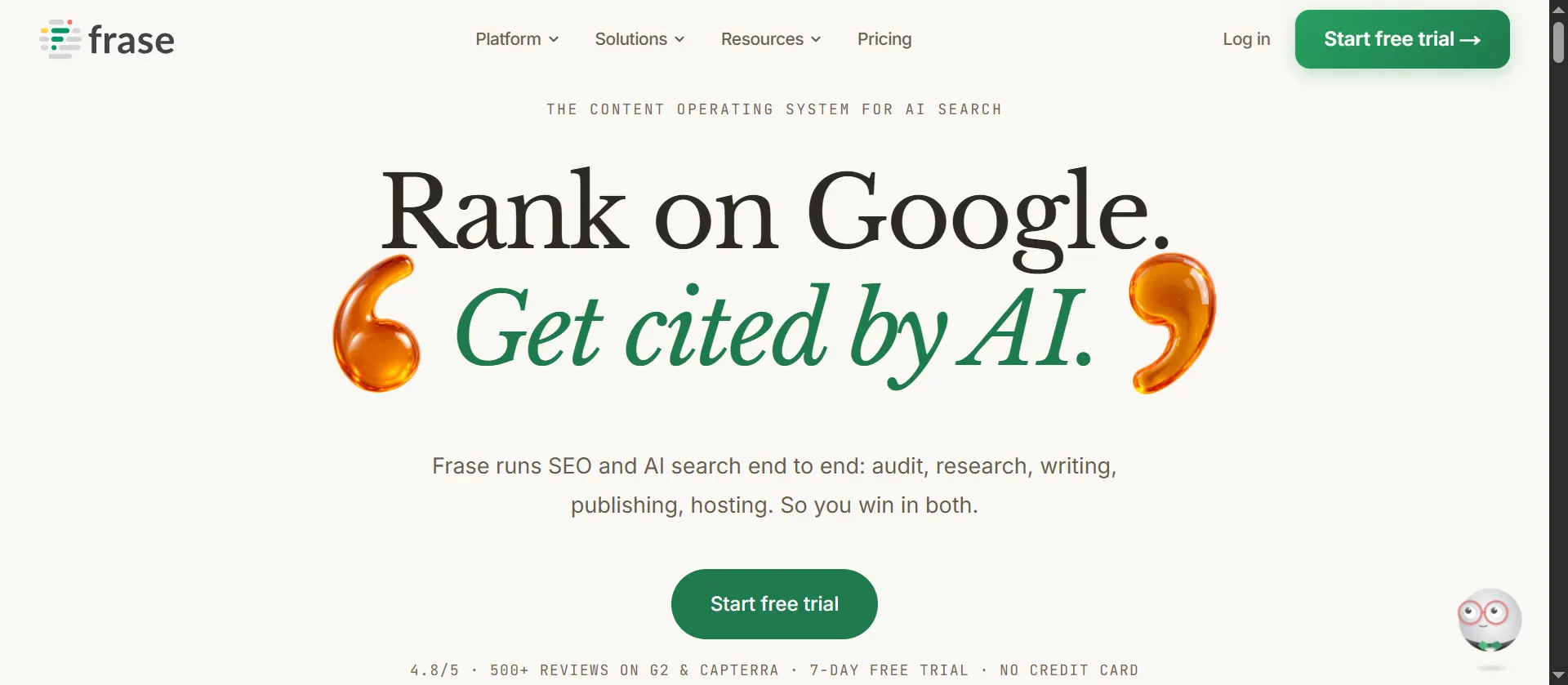
Best for: Content writers, small marketing teams, and SEO consultants who need fast, structured briefs without an expensive subscription.
Frase is primarily used to generate content briefs. You enter a target keyword, and it pulls the top-ranking pages, extracts common headings and questions, and builds a structured outline you can hand to a writer.
How it works: Enter a keyword, and Frase pulls the top 20 ranking pages, extracts their common headings and the real questions people ask (sourced from things like “People Also Ask,” Reddit, and Quora), and turns that into a ready-to-use outline. Once a draft exists, it scores topic coverage against competitors.
Where it helps: Briefs that took 30–45 minutes of manual digging come together in about 10 minutes, and the question-research step regularly surfaces angles competitors haven’t covered.
- Watch out for: it researches one keyword at a time, so it’s not a clustering tool, and there’s no built-in rank tracking once content goes live.
- Starting price: around $38/month.
Pros
| Cons
|
3. Semrush — Best All-in-One Platform With AI Visibility Tracking
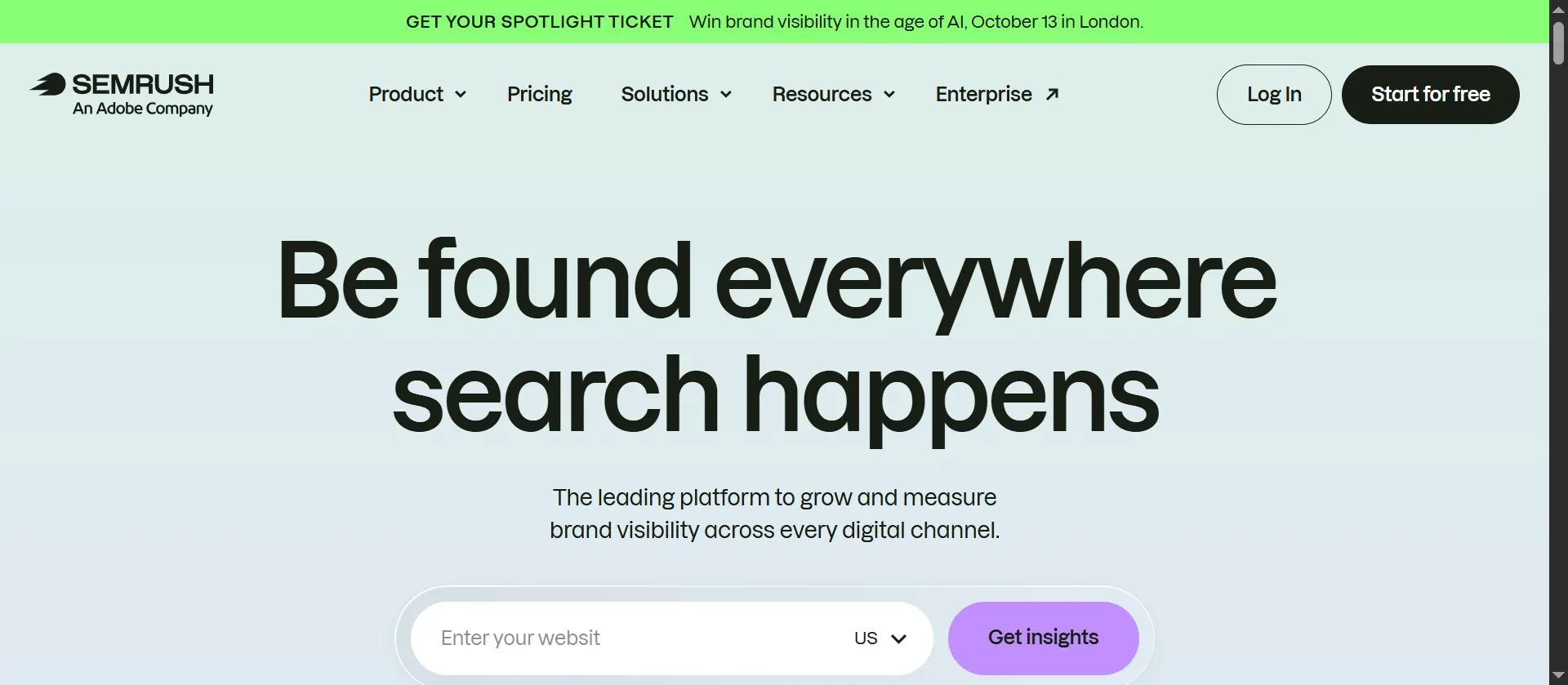
Best for: You want one platform that handles keyword research, technical audits, and AI-visibility tracking, instead of stitching three tools together.
How it works: Its AI Visibility Toolkit monitors whether your brand gets mentioned or cited across ChatGPT, Perplexity, and Google AI Mode/Overviews. Keyword Difficulty scores are adjusted to your specific domain rather than a generic number, and Site Audit flags AI-readiness issues, including a missing llms.txt file.
Where it helps: it’s one of the few tools that gives genuinely comprehensive AI-visibility data at scale — something close to impossible to track manually.
- Watch out for: the interface is dense enough that new users often need a few weeks to get comfortable, and there’s no real-time content editor as you write (pair it with Surfer or Clearscope for that).
- Starting price: roughly $130–$170/month.
Pros
| Cons
|
4. Ahrefs — Best for Backlink Research and Competitive Intelligence
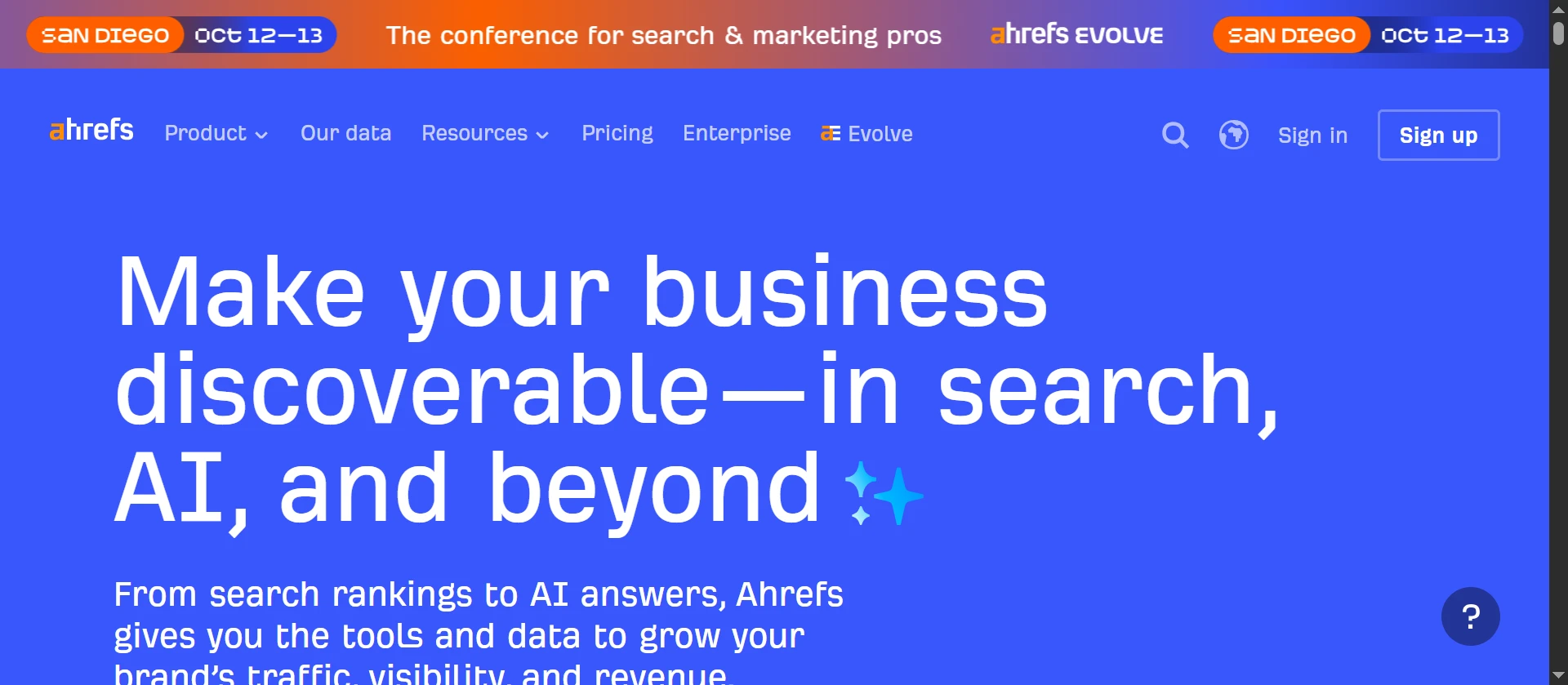
Best for: Link building and competitive research are your priority, and you need the deepest backlink data you can get.
How it works: Site Explorer breaks down any domain’s organic traffic, ranking keywords, and backlink profile. Content Explorer surfaces top-performing content on any topic across the web. Brand Radar, sold as an add-on, tracks AI-mention citations across ChatGPT, Perplexity, and Google AI Overviews.
Where it helps: its backlink index is refreshed more often and runs deeper than most competitors, which matters most for link-building and gap analysis.
- Watch out for: there’s no free trial, so you’re committing before verifying data quality fits your workflow, and the Brand Radar add-on gets pricey for multi-platform coverage.
- Starting price: around $29/month on entry tiers, rising steeply at higher levels.
Pros
| Cons
|
5. Clearscope — Best for Editorial-Style Content Grading
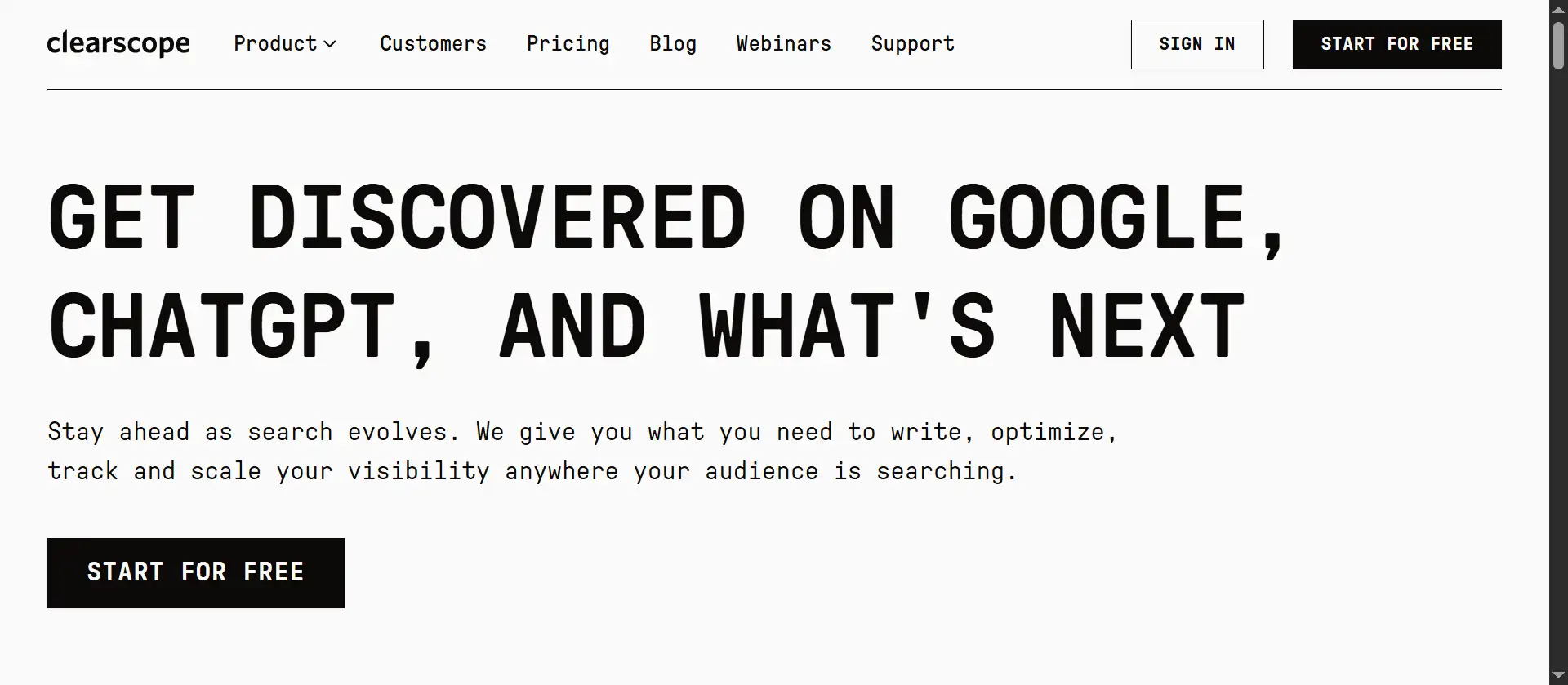
Best for: Content teams that want granular, editorial-style feedback on drafts before publishing, not just a pass/fail score. You manage writers and need feedback that reads like an editor gave it, not a pass/fail score.
How it works: It grades drafts for topical relevance against top-ranking competitors and builds a term map of related keywords grouped by theme. It also tracks AI citations, currently covering ChatGPT and Gemini.
Where it helps: the reporting is easier to hand to a writer than most scoring tools, and unlimited users/projects on every plan avoids per-seat pricing headaches.
- Watch out for: AI tracking only covers two platforms so far, and monthly credit limits can feel restrictive for high-volume publishing.
- Starting price: around $129/month.
Pros
| Cons
|
6. SEO PowerSuite — Best Desktop Suite for Budget-Conscious Teams
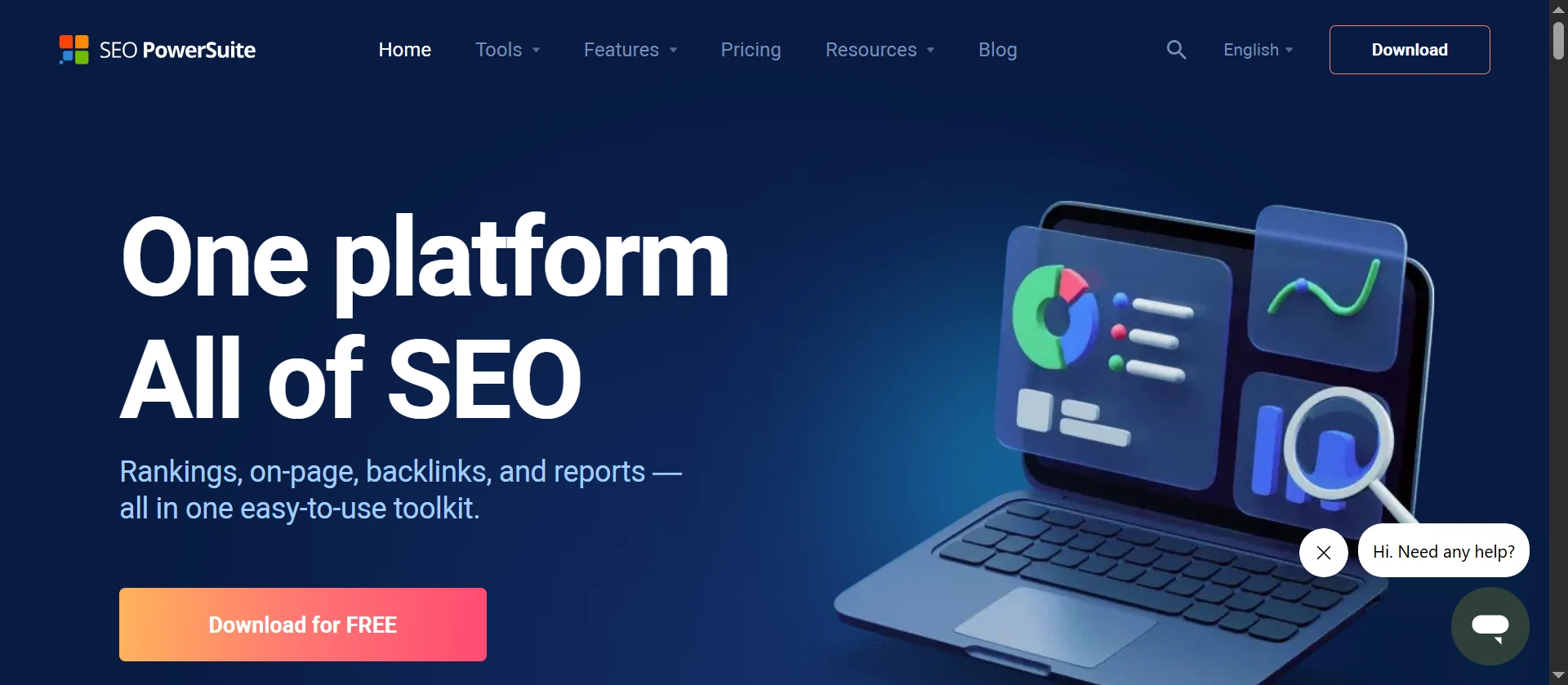
Best for: Agencies and teams that want an all-in-one toolkit — rank tracking, backlink analysis, and site audits — without stacking multiple monthly subscriptions.
How it works: It’s a desktop suite bundling rank tracking, backlink analysis, competitor research, and bulk site audits — licensed as a one-time or annual purchase rather than a monthly SaaS fee.
Where it helps: bulk auditing across multiple domains without per-seat costs makes it a strong fit for agencies managing several small accounts at once.
- Watch out for: it’s desktop software, so there’s no real-time cloud collaboration, and it has no built-in AI-search visibility tracking.
- Pricing: one-time or annual licensing, generally cheaper over time than cloud competitors — confirm current terms, as this has shifted before.
Pros
| Cons
|
7. SE Ranking — Best for White-Label Agency Reporting
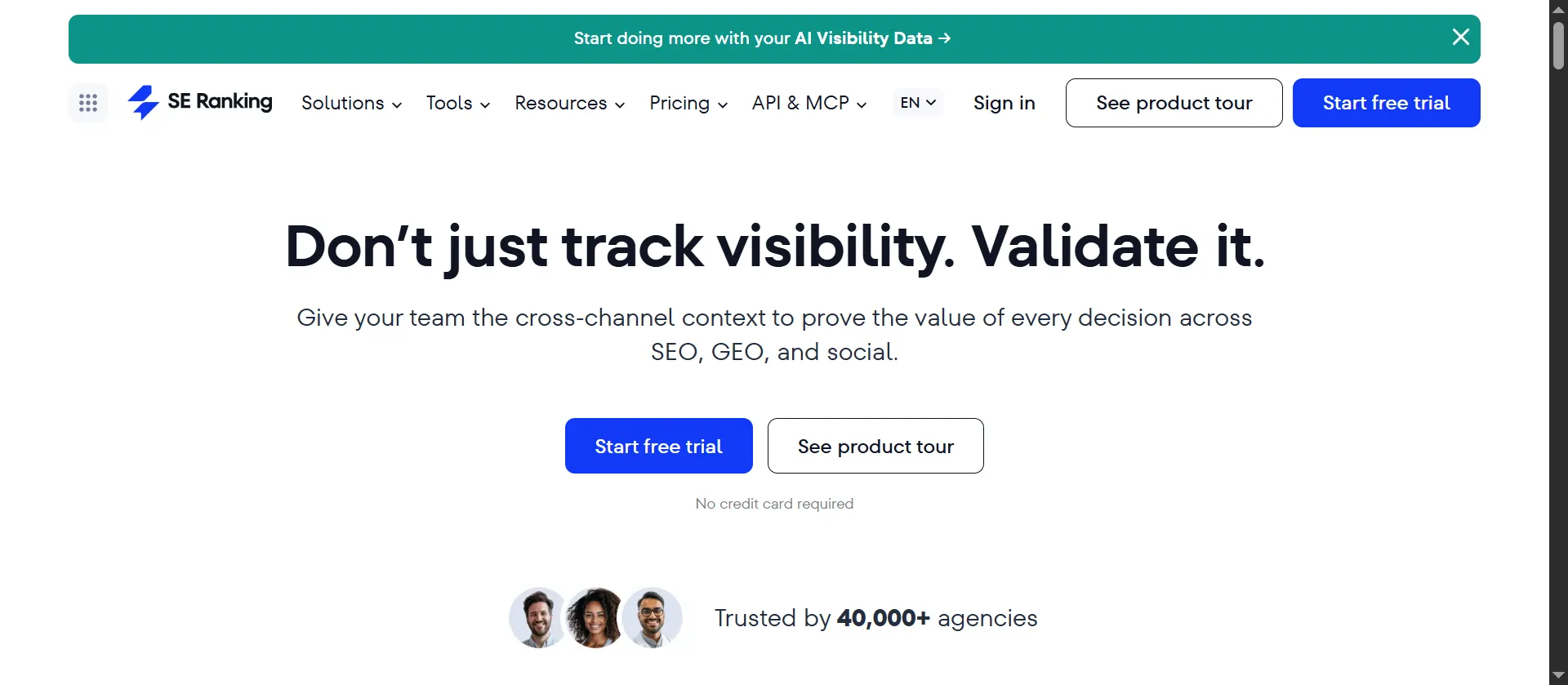
Best for: Small to mid-sized agencies that need accurate rank tracking and professional, client-branded reporting without enterprise-level pricing.
How it works: It generates fully customizable, white-label PDF/HTML reports you can schedule for automatic delivery to clients, tracks rankings across 100+ search engines (down to zip-code-level local results), and bundles AI prompt tracking for brand mentions and sentiment.
Where it helps: pre-built, brandable templates make client onboarding noticeably faster than on larger enterprise platforms.
- Watch out for: the interface feels dated next to Ahrefs or Semrush, and the backlink database is smaller, so it’s better for monitoring than deep link research.
- Starting price: roughly $100–$130/month.
Pros
| Cons
|
Best AI SEO Tool By Use Case
| Your Problem | Tool to Start With |
|---|---|
| Writing briefs takes too long | Frase.io |
| You need one platform for everything | Semrush |
| Backlink research and competitor gaps | Ahrefs |
| Editorial-quality content scoring | Clearscope |
| Managing many client sites on a budget | SEO PowerSuite |
| Client-facing, white-label reports | SE Ranking |
| Real-time on-page scoring while writing | Surfer SEO |
How Get Me Rank Uses These AI SEO Tools
Most of the tools on this list solve one piece of the puzzle — research, writing, tracking, or reporting. At Get Me Rank, we pair a couple of them rather than relying on any single platform to do everything.
For keyword research and AI-visibility tracking, an all-in-one platform like Semrush or Ahrefs does the heavy lifting — surfacing which prompts and searches a client is (or isn’t) showing up in across both Google and AI-generated answers. For content briefs, a tool like Frase.io cuts the research phase down significantly before a writer ever opens a document, which matters when you’re producing content across dozens of client accounts at once. And because client reporting needs to look like it came from us, not from a third-party dashboard, white-label reporting — the kind SE Ranking or SEO PowerSuite offer — is non-negotiable for anything client-facing.
None of these tools replace the actual strategy work — deciding what a client’s content should cover, how it should be structured, and whether it’s actually worth publishing. That’s still the part a tool can’t do. It’s also the part our AI SEO services are built around — using this kind of tooling to move faster, not to skip the thinking.
AI SEO Strategies: Where the Tools Actually Fit In
A tool is only as good as the strategy behind it. Buying Surfer or Frase without a plan just means you’re getting faster at doing the wrong thing. The tools above handle execution — research, briefs, scoring. Strategy is what decides where that execution gets pointed.
1. Start with intent, not keywords. Before opening any tool, define what a searcher actually wants at each stage — informational, comparison, or ready-to-buy. A tool can group keywords for you, but only a strategy tells it which intent to prioritize first.
Example: “best CRM software” and “CRM software pricing” might cluster together in a keyword tool, but the first searcher is still comparing options and the second is close to buying. Writing both as the same generic listicle wastes the buying-intent traffic — the pricing page needs a comparison table and a clear next step, not another “top 10” roundup.
2. Build topical authority, not one-off posts. A single article gets scored by a tool; a body of work builds authority. Decide on the cluster of pages a topic needs before generating briefs for any one of them, so each piece supports the others instead of competing with them.
Example: instead of publishing one long “AI SEO Tools” article, a stronger cluster splits into a pillar comparison page, a dedicated “AI SEO tools for agencies” page, a “free vs paid AI SEO tools” page, and an “AI visibility tracking” explainer — each linking to the others. Individually they’d cannibalize each other in search; as a cluster, they cover the topic from every angle a searcher might enter it.
3. Structure content for extraction, not just readability. AI Overviews and answer engines pull short, self-contained answers — a clear definition, a numbered list, a direct comparison. Writing with that structure in mind is a strategic choice most content-scoring tools don’t fully grade for yet, even though it increasingly decides what gets cited.
Example: a paragraph that opens with “SEO PowerSuite is a good option because it uses one-time licensing rather than…” is far more likely to get pulled into an AI Overview than the same fact buried three sentences into a narrative paragraph. The strategic move is writing the answer first, then explaining it — not the other way around.
4. Adapt the strategy to the industry. What counts as good coverage shifts a lot by niche — seasonal demand, local intent, and buyer research cycles all look different depending on what you’re selling. A generic content strategy applied across industries tends to underperform one built around how that specific audience actually searches, as covered in more depth in the real estate AI SEO strategy guide.
Example: a real estate buyer searches around location and timing (“homes for sale in [neighborhood] under $500k”), while a SaaS buyer searches around comparison and integration (“[Tool A] vs [Tool B] for Shopify”). The same keyword-clustering approach applied to both industries without adjusting for how each audience actually searches will miss intent in one of them.
Are There Good AI SEO Tools for Indian Agencies?
Yes, and the considerations are slightly different from a solo blogger or small business. Agencies, including those based in India managing multiple client accounts, typically need:
- White-label reporting so client-facing dashboards match agency branding
- Bulk site audit capability across many domains at once
- Cost-effective pricing per seat or per client, since agency margins are tighter than in-house budgets
SEO PowerSuite is often a strong fit here because of its one-time or lower recurring cost structure compared to per-seat SaaS pricing. SE Ranking is worth a close look too, given how central white-label reporting is to its design. The right choice usually comes down to how many client sites you’re managing and whether you need white-label output.
Are AI SEO Tools Worth It? Pros and Cons
Before investing in any tool, it helps to weigh what AI SEO tools genuinely add against where they fall short.
Where they help
| Where they fall short
|
The honest answer is that AI SEO tools are worth it for teams publishing content consistently, especially agencies and businesses managing multiple pages. For a one-off blog post or a very small site, the cost may not be justified yet.
How to Choose the Right AI SEO Tool for Your Business
- Identify your main bottleneck. If it’s writing briefs, start with Frase.io. If it’s technical audits or AI-visibility tracking, look at Semrush or SE Ranking.
- Match the tool to your team size. Solo bloggers rarely need agency-tier features like white-label reporting.
- Factor in pricing structure. Ongoing SaaS costs versus SEO PowerSuite’s one-time licensing can matter a lot at scale.
- Test before committing. Most of these tools offer trials — use them on a real page you’re trying to rank rather than a test page.
- Don’t stack tools unnecessarily. One content optimization tool and one research tool is usually enough to start.
If you’re managing SEO for multiple clients and want expert support choosing and implementing the right toolset, Get Me Rank’s AI SEO Services can help agencies and in-house teams scale content and audits without building everything from scratch.
Conclusion
Choosing an AI SEO tool comes down to one question: where is your team actually losing time? If it’s staring at a blank page before writing, Frase.io fixes that. If it’s chasing technical issues across dozens of pages, SEO PowerSuite or Semrush covers it. If it’s not knowing whether you’re even showing up in AI search at all, that’s now a core feature across most of the tools on this list, not a separate purchase.
None of these tools work by themselves — they work because someone still has to decide what’s worth publishing and why. Use these tools to move faster, not to skip the thinking.
Frequently Asked Questions
1. What are the top AI SEO tools in 2026?
Surfer SEO, Frase.io, Semrush, Ahrefs, Clearscope, SEO PowerSuite, and SE Ranking each lead in a different category — from content optimization and briefs to all-in-one research and AI-visibility tracking. The right one depends on your team’s specific bottleneck.
2. Which software is used for SEO?
Common SEO software includes Semrush, Ahrefs, SEO PowerSuite, Surfer SEO, Frase.io, Clearscope, and SE Ranking, each covering different parts of the SEO process from keyword research to content optimization to technical audits. Most teams use a combination rather than relying on a single tool.
3. Do I need both a content tool and a research tool?
Usually, yes, but not more than one of each. A content optimization tool (Surfer, Frase, Clearscope) tells you what to write and how to structure it; a research and tracking tool (Semrush, Ahrefs, SE Ranking) tells you what to target and whether it’s working. Stacking multiple tools in the same category rarely adds enough value to justify the extra cost.
4. How much do AI SEO tools typically cost, and does SEO PowerSuite work differently?
Most cloud-based AI SEO tools range from roughly $40 to $200+ per month depending on features and tier. SEO PowerSuite is the exception — it uses one-time or annual licensing instead of a monthly subscription, which is part of why it’s popular with agencies watching per-seat costs.
5. Can AI replace SEO specialists?
No. AI tools speed up research and content optimization, but they can’t set strategy, understand brand voice, or judge whether content actually answers what a business’s customers need. Most SEO specialists use AI tools to work faster, not to replace their own judgment.
6. Do AI SEO tools actually track visibility in ChatGPT and other AI platforms?
Yes — this has become one of the fastest-growing features in the category. Surfer, Semrush, Ahrefs, Clearscope, and SE Ranking all now offer some form of AI-mention or citation tracking across platforms like ChatGPT, Perplexity, and Google’s AI Overviews, though coverage and pricing vary quite a bit between them.
7. What is the best free AI SEO tool?
Google’s own Keyword Planner is the most reliable free starting point for keyword discovery. Soovle, a free tool that pulls autocomplete suggestions from Google, Bing, Amazon, and YouTube at once, is another option for early-stage topic ideas. Neither offers the content optimization or AI-visibility features found in paid tools like Frase.io or Surfer SEO.
8. Can ChatGPT be used for SEO?
ChatGPT can help brainstorm topics, draft outlines, or explain SEO concepts, but it doesn’t have access to real-time search data or ranking information the way dedicated SEO tools do, so it works best alongside them, not instead of them.